
AC freezing up
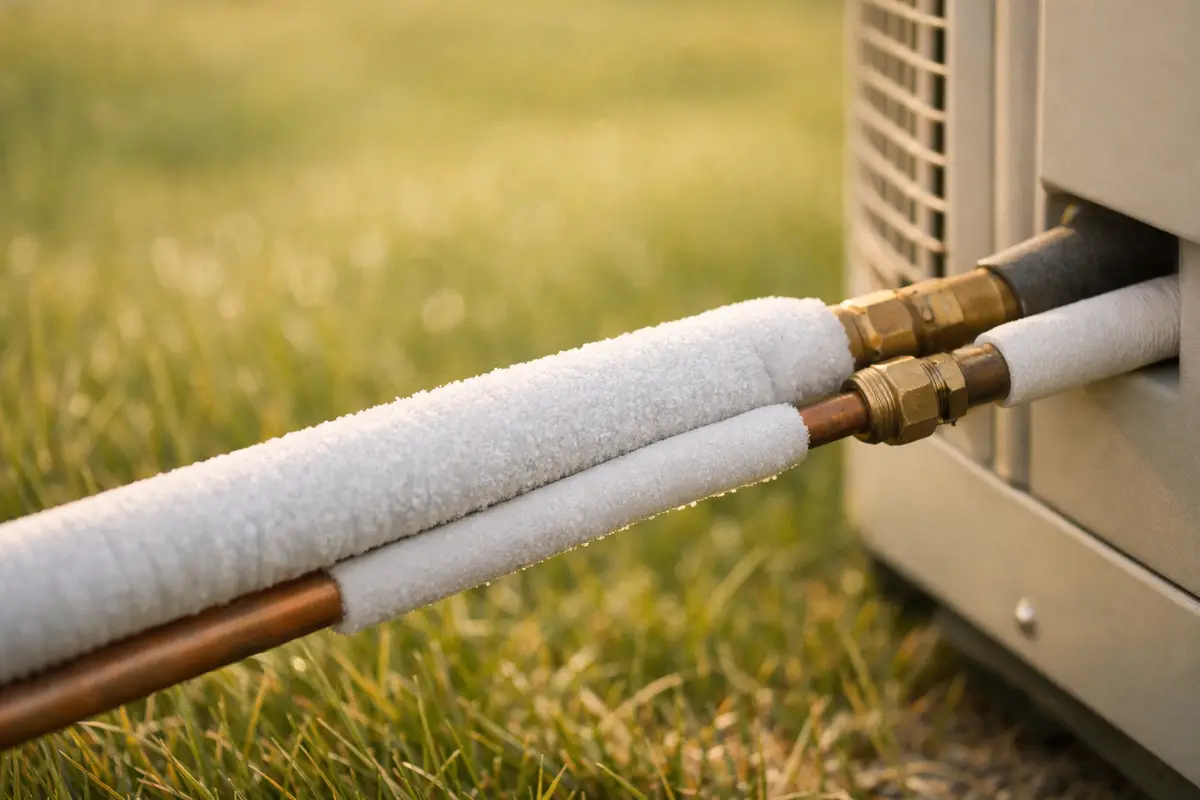
Ice on an air conditioner usually means airflow is restricted, most often by a dirty filter. Turn cooling off, run the fan to thaw it, replace the filter, and call a technician if ice comes back.
On this page
When the air conditioner stops cooling and you find frost or ice on the indoor unit, the ice is the symptom and the airflow is usually the cause. Thawing it correctly matters, because running the system while the coil is frozen can damage it.
AC freezing up
Ice on an air conditioner is a symptom. This tree helps you thaw it safely and find the usual cause.
Do you smell burning from the unit, or is water pooling near electrical equipment?
Yes
Act now
Turn it off and call a licensed professional now
Burning smells and water near electrical equipment are safety problems that come before any thawing.
What to do
- If there is smoke or fire, leave and call 911.
- Otherwise switch the system off at the thermostat, stay out of any standing water and call a licensed HVAC professional or electrician now.
- Do not touch wet electrical equipment.
No
Where is the ice?
On the indoor unit or the refrigerant line next to it
Is the filter dirty, or are supply or return vents blocked by furniture or drapes?
Yes
Deal with it soon
Thaw it, then fix the airflow
A dirty or clogged filter that restricts airflow is the most common cause of a frozen coil. Blocked return vents have the same effect.
What to do
- Turn the cooling off at the thermostat, then set the fan to on so air moves across the coil and helps it thaw. Running cooling while the coil is frozen can cause major damage.
- Don't chip away at the ice. Put towels or a bucket down to catch the meltwater, which can be a lot.
- Replace the dirty filter and uncover blocked vents.
- Restart cooling only after the ice has melted completely. If ice returns, call a technician.
No, or I'm not sure
Deal with it soon
Thaw it and call a technician
If the airflow is fine, a dirty evaporator coil, a thermostat that fails to shut the system off, or low refrigerant from a leak can be the cause. Refrigerant and coil problems are for a licensed technician.
What to do
- Turn the cooling off and set the fan to on to thaw the coil. Don't chip at the ice, and catch the meltwater.
- Call an HVAC technician once it is thawing. The coil has to thaw before it can be inspected.
- If it blows warm air or leaves puddles after thawing, tell the technician: those can point to other problems.
On a window unit or a portable air conditioner
When did you last clean the filter behind the front grille?
On a window unit the filter usually sits behind the grille that faces the room and slides or lifts out.
Not this season, or never
Deal with it soon
Thaw the unit, then clean the filter
A clogged filter starves the cold coil of air, and DOE says dirt that gets past a dirty filter builds up on the coil itself. Window and portable units ice up for the same airflow reasons as central systems.
What to do
- Switch the unit to fan only, or off, and let the ice melt completely. Put a towel under it. Don't chip at the ice.
- Unplug it, then take out the filter behind the front grille and wash or replace it as the manual says. DOE suggests cleaning room unit filters every month or two in the cooling season, more often with pets or dust.
- While it is unplugged, look at the coil fins behind the filter for dust or matting.
- Restart on cooling with a moderate setting. DOE says setting it colder than necessary does not cool the room faster.
Recently, and it is clean
Deal with it soon
Check the drain, the level and the coil, then call for service
With a clean filter, look at the things that let water and air move. DOE says a room unit must sit level for its drainage to work, and clogged drain channels keep water in the unit. A dirty coil, a stuck thermostat or a refrigerant problem needs a technician or the maker's service.
What to do
- Let it thaw completely on fan only or off, with a towel underneath.
- Unplug it and check that it sits level as the manual describes. DOE says to clear a room unit's drain channels now and then with a stiff wire.
- Make sure curtains or furniture are not blocking the air coming out of or going into the unit, and keep lamps and TVs away from it so its thermostat reads the room.
- If it ices again, stop using it and call the manufacturer's service line or an appliance technician. A refrigerant fault in a sealed unit is not a DIY repair.
On the outdoor unit of a heat pump in winter
Deal with it soon
Watch the outdoor unit and call a technician if ice builds
A heat pump outdoor unit can frost in cold weather and clears itself in a defrost cycle. If the defrost cycle runs longer and longer, or ice covers the unit, something is wrong.
What to do
- Keep the area around the unit clear of snow and debris.
- Don't chip at the ice with tools. You can damage the coil.
- Call an HVAC technician if ice keeps covering the unit.
I can't see ice, but it blows warm air
Deal with it soon
Call an HVAC technician
Warm air without visible ice can come from airflow, thermostat or refrigerant problems that need diagnosing.
What to do
- Check that the filter is clean and the vents are open.
- Check that the thermostat is set to cool and below the room temperature.
- If nothing changes, call a licensed HVAC technician.
What causes the ice
American Standard's help article lists the common causes. A dirty or clogged air filter that restricts airflow is the most common. A dirty evaporator coil, often caused by that same dirty filter, has the same effect. So do return vents blocked by furniture or drapes. A thermostat that fails to shut the system off can keep the coil running while it is cold. And a refrigerant leak or low refrigerant, from wear, vibration or a poor charge at installation, can also cause it.
The Department of Energy's heating and cooling guide supports the airflow side: replace filters monthly in peak season, have the air conditioner inspected in spring, keep the outdoor unit clear of weeds and debris, and check ductwork for disconnections or crushing that restrict airflow.
How to thaw it
The steps in the tool follow the manufacturer's advice. Turn the cooling off at the thermostat, but set the fan to on so moving air helps melt the coil. Do not chip at the ice. Put towels or a bucket down, because a heavily iced coil can release a lot of water as it melts. Replace a dirty filter and uncover blocked vents. Then call an HVAC technician once the coil is thawing, because it has to thaw before it can be inspected.
Window and portable units freezing up
A window unit that freezes up is the same problem in a smaller box, and the answer starts in the same place: airflow across the cold coil. The Department of Energy's maintenance guidance says dirty, clogged filters cut airflow and let dirt build up on the coil, and that a room air conditioner's filter is usually in the grille that faces the room. It suggests cleaning or replacing filters every month or two during the cooling season, and more often in dusty homes or with pets.
The tool now has a branch for window and portable units. Thaw the unit on fan only or with it switched off, with a towel underneath, then unplug it and clean the filter. If the filter was already clean, check the things DOE lists for room units: the unit must sit level for its drainage to work, its drain channels can be cleared with a stiff wire, and lamps or a TV next to it can fool its thermostat into running longer. DOE also says that setting a room unit colder than necessary does not cool the room any faster. If a window unit keeps icing after all that, the cause may be inside the sealed refrigerant system, which is a job for the manufacturer's service or an appliance technician rather than a homeowner.
The heat pump exception
If a heat pump's outdoor unit shows frost in cold weather, that alone can be normal, since the unit defrosts itself. The manufacturer says to call a technician if the defrost cycle keeps running longer or ice covers the unit. The tool covers that branch.
Safety
If there is a burning smell, or water is pooling near electrical equipment, the tool ends with an act-now result: switch cooling off at the thermostat, stay out of standing water and call a licensed professional. If there is smoke or fire, leave and call 911.
Worked example: a central system
Sam finds frost on the copper line next to the indoor unit and the house is warm. There is no burning smell and no water near any electrical equipment. The ice is on the indoor unit. Sam glances at the filter and sees it is clogged, so the result is to thaw and fix the airflow. Sam turns cooling off, sets the fan to on, lays towels below the unit, replaces the filter and moves a chair that had been blocking the return vent. After the ice has melted completely, Sam turns cooling back on. A week later the ice returns, which the tool says is the time to call a technician: a recurring freeze after the airflow is fixed suggests a coil or refrigerant problem that needs a licensed pro.
Worked example: a window unit
Dee's bedroom window unit runs all night, and one morning there is a sheet of ice on the coil behind the grille and the air coming out is barely cool. In the tool Dee picks the window unit answer and admits the filter has not been cleaned since the unit went in. Dee switches it to fan only, puts a towel on the sill, waits for the ice to melt, then unplugs the unit and rinses the dusty filter. The fins behind it look clean. Dee puts the filter back, sets the thermostat a few degrees warmer than before, and adds a monthly reminder to clean the filter for the rest of the summer.
Related
Use the summer bill reduction checklist for filter, vent and outdoor-unit habits that keep this from happening.
Sources
- American Standard Heating & Air Conditioning, Frozen evaporator coil americanstandardair.com
- U.S. Department of Energy, Consumer Guide to Home Heating and Cooling energy.gov
- U.S. Consumer Product Safety Commission, Carbon Monoxide Information Center cpsc.gov
- U.S. Department of Energy, Energy Saver: Air Conditioner Maintenance (archived June 14, 2026) web.archive.org
- U.S. Department of Energy, Energy Saver: Room Air Conditioners (archived June 17, 2026) web.archive.org